

Description
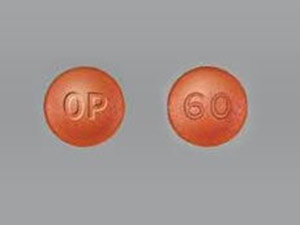
What Is OxyContin OP 60mg?
OxyContin OP 60mg is a long-acting formulation of oxycodone hydrochloride, part of the opioid analgesic class. It’s designed for patients needing long-term pain control and who have already built tolerance to lower opioid doses.
The “OP” in OxyContin OP 60mg stands for “oxycodone polymer,” which indicates the abuse-deterrent formulation—it’s resistant to crushing or dissolving, reducing the risk of misuse. For more information on opioid safety, visit the Centers for Disease Control and Prevention (CDC).
What Is OxyContin OP 60mg Used For?
Doctors prescribe OxyContin OP 60mg to manage:
- Chronic pain related to cancer or severe injuries
- Post-surgical or neuropathic pain
- Pain requiring long-term opioid treatment
This medication is not intended for mild or short-term pain relief. Learn more from the U.S. Food and Drug Administration (FDA).
How Does OxyContin OP 60mg Work?
OxyContin OP 60mg works by binding to mu-opioid receptors in the brain and spinal cord, reducing the perception of pain. The extended-release mechanism ensures that oxycodone is delivered steadily over 12 hours, minimizing fluctuations in pain relief.
Read more about the pharmacological action of opioids on the National Institute on Drug Abuse (NIDA).
OxyContin OP 60mg Dosage and Administration
- Take OxyContin OP 60mg exactly as prescribed.
- Do not crush, chew, or dissolve the tablet—this may release the full dose at once, risking overdose.
- Tablets are usually taken every 12 hours with or without food.
- Avoid alcohol or other sedatives during treatment.
Follow dosage guidance from the CDC’s opioid prescribing guidelines for safe administration.
Side Effects of OxyContin OP 60mg
Common Side Effects
- Constipation
- Dizziness
- Nausea or vomiting
- Drowsiness
- Dry mouth
Serious Side Effects
- Respiratory depression
- Slow heartbeat
- Severe drowsiness
- Confusion
- Physical dependence
If serious symptoms occur, seek medical help immediately.
OxyContin OP 60mg Precautions
Before starting OxyContin OP 60mg, inform your doctor if you have:
- Chronic lung or breathing problems
- Liver or kidney disease
- Substance use disorder
- Mental health issues
Do not combine OxyContin OP 60mg with benzodiazepines, alcohol, or sedatives. The World Health Organization (WHO) provides detailed safety information on opioid use and overdose prevention.
How Long Does OxyContin OP 60mg Stay in Your System?
The half-life of OxyContin OP 60mg is about 4–6 hours, but its effects last up to 12 hours due to the extended-release formulation. Detection periods vary by test type:
- Urine: 3–4 days
- Blood: 24 hours
- Hair: up to 90 days
Pharmacological data can be reviewed on the National Library of Medicine (NIH).
Storage and Disposal
Keep OxyContin OP 60mg in a secure, dry place away from children, pets, and direct sunlight. Dispose of unused medication through a DEA-authorized collection site or a pharmacy take-back program.
FAQs About OxyContin OP 60mg
Q1: What is OxyContin OP 60mg used for?
A: It’s prescribed for chronic pain that requires continuous, long-term opioid therapy.
Q2: Can I cut or crush OxyContin OP 60mg tablets?
A: No. Doing so may cause a rapid release of oxycodone, leading to overdose.
Q3: Is OxyContin OP 60mg addictive?
A: Yes. It carries a high potential for dependence. Learn more from SAMHSA’s opioid use disorder page.
Q4: What happens if I miss a dose?
A: Take it as soon as possible unless it’s near your next scheduled dose. Never double up.
Q5: Can I drink alcohol while on OxyContin OP 60mg?
A: No. Alcohol can significantly increase the risk of fatal respiratory depression.
Reviews
There are no reviews yet.