

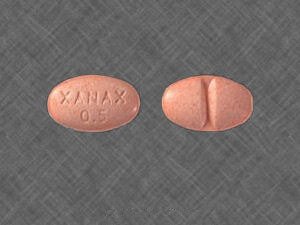
Description
What is Xanax 0.5mg?
Xanax 0.5mg contains alprazolam, a benzodiazepine prescribed for anxiety disorders, panic attacks, and stress-related conditions.
The 0.5mg tablet is a low-dose formulation, often used for mild anxiety or as a starting dose in patients who require gradual titration to higher doses.
How Xanax 0.5mg Works
Alprazolam enhances the effects of GABA (gamma-aminobutyric acid) at GABA-A receptors in the brain, slowing neural activity. This leads to reduced anxiety, sedation, and mental relaxation.
For more details on how benzodiazepines function, see PsychDB – Alprazolam.
Benefits of Xanax 0.5mg
- Provides rapid relief from mild anxiety
- Reduces mild panic attacks
- Supports better sleep quality in stress-related insomnia
- Helps maintain emotional calm and mental stability
Xanax 0.5mg Side Effects
Common side effects include drowsiness, dizziness, impaired coordination, and memory difficulties.
Severe side effects may include respiratory depression, extreme sedation, or dependence.
For detailed safety and side effect information, see Drugs.com – Alprazolam Overview.
Warnings and Precautions
Do not take Xanax 0.5mg with alcohol, opioids, or other sedatives, as this increases the risk of respiratory depression or overdose.
Caution is advised for patients with liver disease, depression, or history of substance misuse.
Further guidance is available at Mayo Clinic – Alprazolam Safety.
How to Take Xanax 0.5mg
Take orally exactly as prescribed by your doctor.
Do not crush, chew, or break the tablet. Follow the dosing schedule recommended.
For administration guidance, see MedlinePlus – Alprazolam.
FAQs About Xanax 0.5mg
Q1: What is Xanax 0.5mg prescribed for?
It is prescribed for mild anxiety and mild panic symptoms.
Q2: Can Xanax 0.5mg cause dependence?
Yes. Even at low doses, long-term use may result in tolerance, physical dependence, or withdrawal symptoms.
Q3: How quickly does it take effect?
Effects are usually felt within 30–60 minutes.
Q4: Can it be combined with other medications?
Consult a healthcare provider; avoid other CNS depressants or sedatives.
Q5: Is it safe for elderly patients?
Elderly patients are more sensitive to sedation and may require lower doses.
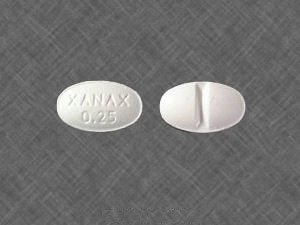
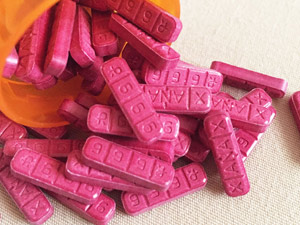
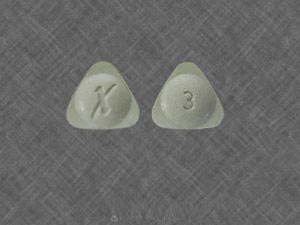
Reviews
There are no reviews yet.