

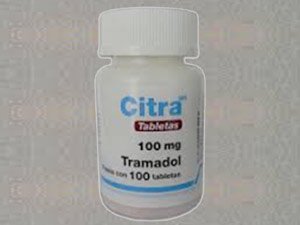
Description
What is Tramadol 100 mg?
Tramadol 100 mg is a centrally acting synthetic opioid analgesic used to treat moderate to moderately severe pain. It works by influencing the central nervous system to change how the body perceives and responds to pain. Unlike traditional opioids, it also inhibits the reuptake of serotonin and norepinephrine, offering a dual mechanism of action for enhanced pain control.
The 100 mg formulation is often prescribed for patients transitioning from short-acting opioids or those requiring sustained pain relief throughout the day.
How Tramadol 100 mg Works
Tramadol binds to μ-opioid receptors in the brain while simultaneously increasing levels of serotonin and norepinephrine in the spinal cord, which together suppress pain signals.
This makes it an effective treatment for both neuropathic and musculoskeletal pain, as supported by research in the National Library of Medicine.
Benefits of Tramadol 100 mg
- Provides consistent pain relief for moderate to severe pain
- Suitable for acute injuries or chronic pain conditions
- Reduces pain sensitivity via a dual-action mechanism
- Has a lower risk of respiratory depression than stronger opioids
Tramadol 100 mg Side Effects
Common side effects may include dizziness, nausea, drowsiness, or constipation.
More serious reactions, such as seizures, serotonin syndrome, or respiratory distress, are possible with overdose or drug interactions.
Detailed pharmacological safety data can be reviewed in the Drugs.com Tramadol monograph.
Warnings and Precautions
Tramadol 100 mg should be used with caution in individuals with a history of seizures, respiratory disorders, or substance misuse.
Combining it with alcohol, sedatives, or antidepressants increases the risk of serious side effects such as central nervous system depression.
These precautions are reinforced in the Mayo Clinic’s opioid safety guidelines.
How to Take Tramadol 100 mg
Swallow the tablet whole with water; do not crush, chew, or split it.
Take it at the same time each day to maintain consistent therapeutic levels.
Dosing may vary depending on pain severity, as outlined in WebMD’s Tramadol dosing instructions.
FAQs About Tramadol 100 mg
Q1: What is Tramadol 100 mg prescribed for?
It’s used to relieve persistent or breakthrough pain when non-opioid analgesics are insufficient.
Q2: How long does Tramadol 100 mg last?
The effect typically lasts 4–6 hours for immediate-release tablets.
Q3: Is Tramadol addictive?
Yes. It can lead to physical dependence if used long-term or at high doses.
Q4: Can I take Tramadol with antidepressants?
Only under medical supervision due to possible serotonin syndrome.
Q5: Is Tramadol a controlled drug?
Yes. It’s classified as a Schedule IV controlled substance in many regions because of its abuse potential.
Reviews
There are no reviews yet.