

Description
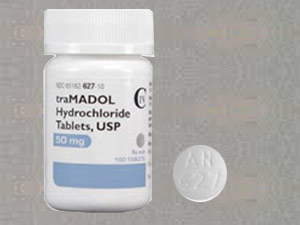
What is Tramadol 50 mg?
Tramadol 50 mg is a synthetic opioid analgesic prescribed to manage moderate to moderately severe pain. It acts on the central nervous system, altering the way the brain and body perceive discomfort.
The 50 mg strength is commonly used as an initial dose for individuals new to opioid therapy or those needing a lower dose for mild chronic pain management.
How Tramadol 50 mg Works
Tramadol exerts its effect by binding to μ-opioid receptors and inhibiting the reuptake of serotonin and norepinephrine, two neurotransmitters involved in pain regulation.
This dual mechanism of action provides both central pain relief and mood stabilization, as explained in a pharmacological review from the National Library of Medicine.
Benefits of Tramadol 50 mg
- Effective for chronic musculoskeletal pain, arthritis, and nerve-related pain
- Lower strength option ideal for gradual opioid initiation
- Less risk of respiratory depression than stronger opioids
- Supports continuous pain control throughout the day
Tramadol 50 mg Side Effects
Typical side effects include nausea, constipation, dizziness, or lightheadedness.
More serious adverse reactions, such as seizures or serotonin syndrome, are possible with high doses or drug combinations.
Detailed data on side effects and precautions can be found in the Drugs.com Tramadol profile.
Warnings and Precautions
Tramadol 50 mg should not be combined with alcohol, benzodiazepines, or antidepressants due to the risk of central nervous system depression.
Use caution if you have epilepsy, respiratory conditions, or a history of substance abuse.
For clinical safety insights, see Mayo Clinic’s opioid use guidance.
How to Take Tramadol 50 mg
Take one tablet orally with water, with or without food, as directed by your healthcare provider.
Avoid crushing or breaking the tablet to ensure proper dose release.
More dosing information is available in WebMD’s Tramadol usage overview.
FAQs About Tramadol 50 mg
Q1: What conditions is Tramadol 50 mg used for?
It is prescribed for pain from surgery, injury, arthritis, or neuropathic causes.
Q2: How long does the effect last?
Pain relief typically lasts 4–6 hours per dose.
Q3: Is Tramadol 50 mg addictive?
Yes. Long-term use can lead to tolerance and dependence.
Q4: Can Tramadol cause withdrawal symptoms?
Yes, stopping suddenly can cause symptoms like anxiety, sweating, or insomnia.
Q5: Can I drive after taking Tramadol?
Avoid driving or operating heavy machinery until you understand how the medication affects you.
Reviews
There are no reviews yet.