

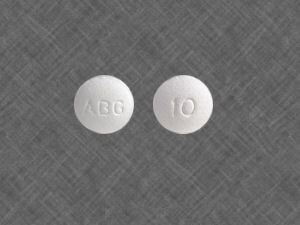
Description
What is Oxycodone 10mg?
Oxycodone 10mg is a prescription opioid medication used to manage moderate to severe pain. It works by binding to opioid receptors in the brain and spinal cord, altering the way your body perceives pain.
Because Oxycodone 10mg is a controlled substance, it should only be used under a doctor’s supervision. Misuse of this medication can result in serious health complications, including addiction and dependence.
How Does Oxycodone 10mg Work?
Oxycodone 10mg belongs to the class of drugs known as narcotic analgesics. It acts directly on the central nervous system to reduce pain intensity and emotional discomfort. The medicine is available in immediate-release and extended-release formulations, depending on the patient’s pain management needs.
Medical Uses of Oxycodone 10mg
Doctors prescribe Oxycodone 10mg for:
- Post-surgical pain
- Injury-related pain
- Cancer-related pain
- Chronic pain management when other medications are insufficient
When taken as prescribed, Oxycodone 10mg can provide significant relief and improve quality of life for patients with severe pain conditions. Learn more about clinical opioid use from global health authorities.
Oxycodone 10mg Dosage and Administration
The dosage of Oxycodone 10mg depends on the individual’s medical condition, pain severity, and tolerance to opioids. Your healthcare provider will determine the appropriate dose.
Key Dosage Guidelines:
- Take Oxycodone 10mg orally with water.
- Avoid crushing or chewing the tablet.
- Do not increase your dose without consulting your doctor.
- Never share this medication with anyone else.
Possible Side Effects of Oxycodone 10mg
Like all opioids, Oxycodone 10mg may cause side effects, especially when used incorrectly or combined with other central nervous system depressants.
Common Side Effects:
- Constipation
- Drowsiness
- Dizziness
- Nausea or vomiting
- Lightheadedness
Serious Side Effects:
- Slow or difficult breathing
- Confusion
- Severe drowsiness
- Fainting
Refer to the Mayo Clinic guide on Oxycodone side effects for detailed information.
Precautions When Taking Oxycodone 10mg
Before using Oxycodone 10mg, tell your doctor if you have a history of:
- Breathing problems (asthma, COPD)
- Head injury or seizures
- Liver or kidney disease
- Substance use disorder
Avoid alcohol and sedatives while taking Oxycodone 10mg. Combining these substances can lead to respiratory depression and other life-threatening effects.
Oxycodone 10mg and Dependence
Oxycodone 10mg carries a high risk of dependence and tolerance if taken long-term. Regular monitoring by your healthcare provider is essential. If you wish to stop, your doctor may guide you through a gradual opioid tapering process.
How Long Does Oxycodone 10mg Stay in the Body?
Oxycodone 10mg has an average half-life of about 3–5 hours. It can be detected in:
- Blood: up to 24 hours
- Urine: up to 3 days
- Hair: up to 90 days
Learn more about drug metabolism and detection from reputable health institutions.
Storage and Disposal of Oxycodone 10mg
Store Oxycodone 10mg in a cool, dry place away from moisture and direct sunlight. Keep it out of reach of children and pets. Dispose of unused medication safely through an authorized drug take-back program.
FAQs About Oxycodone 10mg
Q1: Can I take Oxycodone 10mg with food?
A: Yes, Oxycodone 10mg can be taken with or without food. Taking it with food may help reduce nausea.
Q2: What should I do if I miss a dose of Oxycodone 10mg?
A: Take it as soon as you remember, unless it’s close to your next dose. Never double the dose.
Q3: Is Oxycodone 10mg addictive?
A: Yes. Oxycodone 10mg can cause physical and psychological addiction if used improperly. Read about opioid misuse prevention.
Q4: Can I drink alcohol while taking Oxycodone 10mg?
A: No. Combining alcohol and Oxycodone 10mg can cause dangerous side effects such as respiratory failure.
Q5: How should I store Oxycodone 10mg safely at home?
A: Store it in a locked cabinet away from children, pets, or anyone not prescribed the medication.
Q6: What are the signs of Oxycodone overdose?
A: Symptoms include shallow breathing, slow heartbeat, and extreme drowsiness. Call emergency services or refer to WHO’s opioid overdose guide.
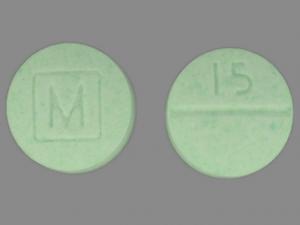


Reviews
There are no reviews yet.